
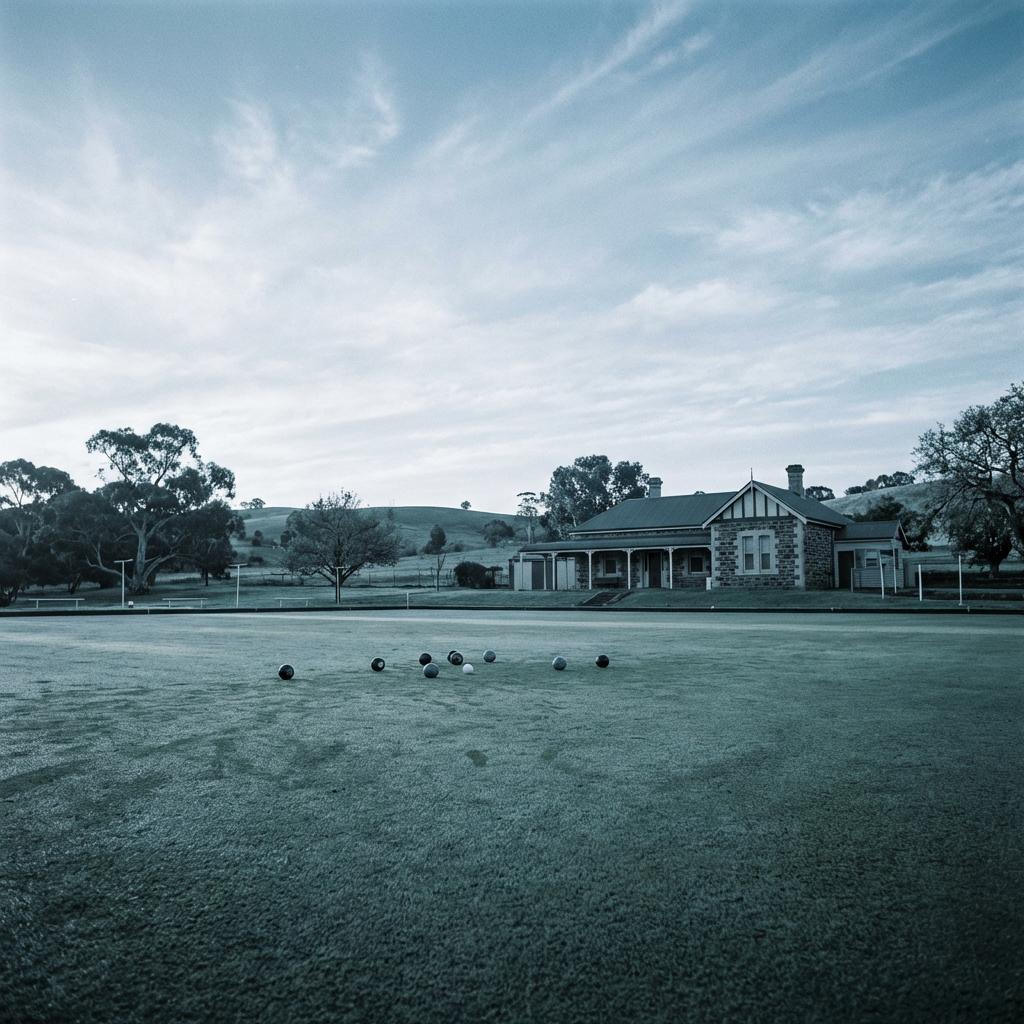
The green is never just a green. Morning moisture, afternoon heat, shade, wear and direction can all change how a bowl travels. Good players do not demand that the surface behave the same all day. They notice, adjust and keep their delivery repeatable.
Line and weight are one conversation
Line is the route you give the bowl. Weight is the energy that carries it along that route. Change the weight and the bowl experiences its bias differently: a firmer bowl holds a straighter path for longer, while a gentler bowl begins to draw earlier. That is why correcting only the line can send the next bowl past the jack.
World Bowls defines the pace of a green by the time a bowl takes to travel and come to rest over an approximately 27-metre delivery. A higher time means a faster green. You do not need a stopwatch for every end, but the principle is useful: on a faster surface, a smaller delivery can produce a longer result.
Build a pre-shot picture
- Read the head. Decide the ideal finishing position, not merely “close to the jack.”
- Choose forehand or backhand based on the available path and risk.
- Select an aiming point that gives the bias room to work.
- Picture the bowl slowing into the target zone.
- Commit to a smooth, balanced delivery and watch the result.
Use the first bowls as weather reports
Your early deliveries reveal the green’s pace and draw. Notice whether both hands behave similarly and whether one direction is quicker. Listen to teammates’ bowls too. The information belongs to the whole rink.
When conditions change, make small adjustments. A slightly shorter step or softer swing may be enough. Chasing a poor bowl with a completely different action usually creates a second problem.
The goal is not to predict every blade of grass. It is to create a dependable process that notices what the green is saying and answers without panic.
Further reading: World Bowls: The Sport of Bowls and Introduction to Lawn Bowls.