
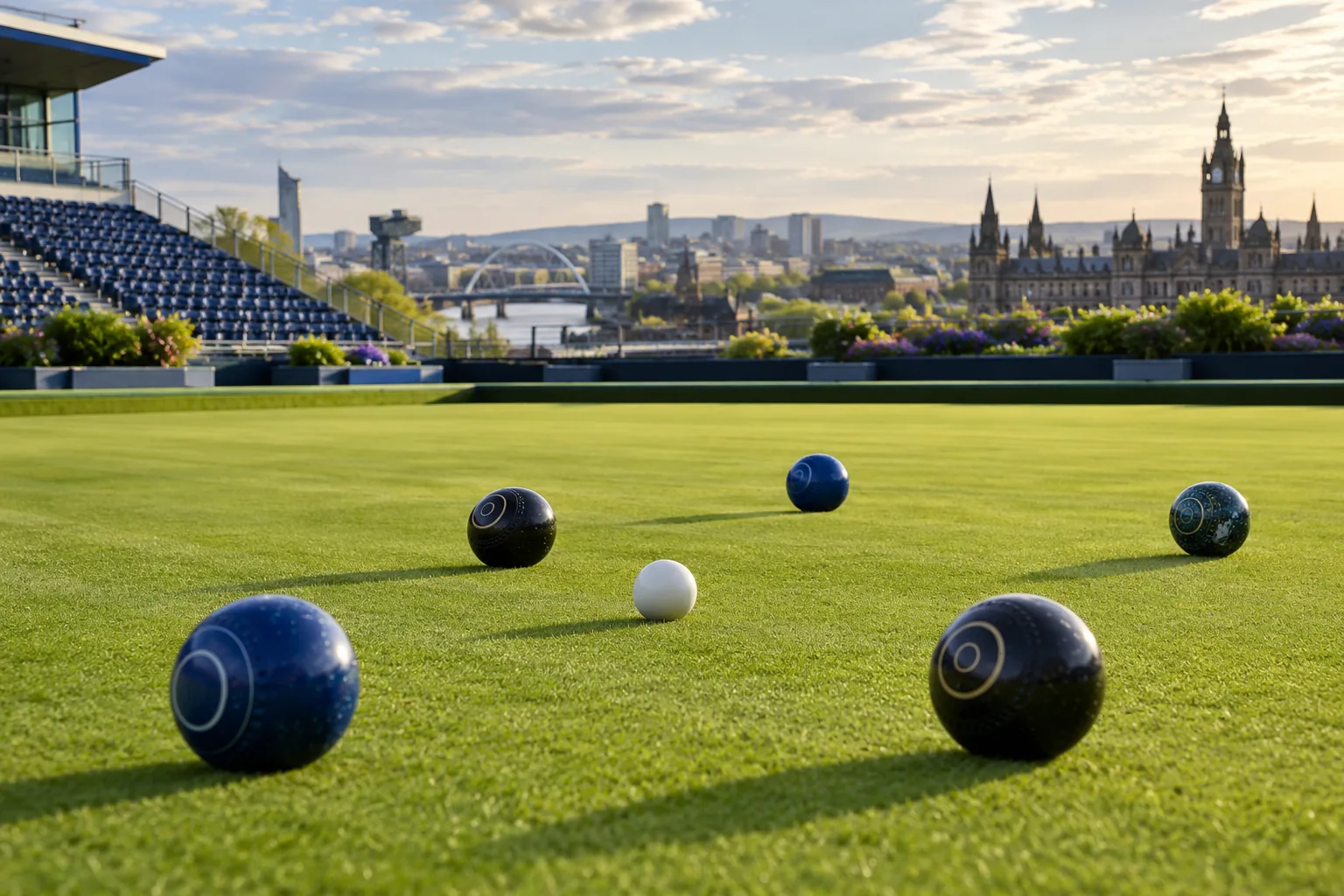
Glasgow 2026 put bowls and para bowls inside a Commonwealth Games arena and gave viewers seven medal events to follow. If you missed the finals, this is the short version of what happened and why the results mattered.
The headline results
England led the bowls and para bowls medal count with six medals: three gold, two silver and one bronze. Nine nations appeared on the medal table across the seven events. In the men's singles, England's Sam Tolchard won gold against Malaysia's Izzat Shameer Dzulkeple. England's Amy Pharaoh and Sian Honnor took the women's pairs title. Katherine Rednall added women's singles gold for England on the final day.
The men's pairs final went to Northern Ireland after a tie-break against England's Nick Brett and Jamie Walker. Scotland won the para mixed pairs B2/B3 event in front of its home crowd. Australia claimed the para women's and men's pairs B6-B8 titles. These are distinct medal events; para results deserve the same attention as the open bowls programme.
What changed in Glasgow?
The tournament used an indoor, fast-moving presentation with sets, tie-breaks, timeouts and a shot clock. A set score can hide how tight individual ends were, so look beyond the final result when studying a match. World Bowls reports that 35 bowls were timed out during the Games, a reminder that decision-making speed mattered as well as delivery skill.
What should club players take from it?
Watch one final with a simple question: what did the lead or skip do after losing a close end? Track the jack length, first bowl and response to pressure. You can practise the same decisions on your own green without copying an elite player's delivery. For close-head decisions, agree the shot and use the competition's normal measuring process.
Sources: World Bowls data snapshot, first finals recap and final-day recap.
Want a clearer view of a close club head? Explore WGTS for iPhone or Android. Your event's laws and officials remain the authority for a competition result.